Our all time favorite waffle recipe which yields light (in texture, not calories), fluffy on the inside, crispy on the outside waffles. Originally from Joy of Cooking.
Ingredients
1 3/4 cups all-purpose flour
1 tablespoon baking powder
1 tablespoon sugar
1/2 teaspoon salt
3 eggs
1/2-1 cup butter, melted
1 1/2 cups milk
Method
Preheat waffle iron. Mix all dry ingredients together. In a separate bowl mix all wet ingredients. Pour wet ingredients into dry ingredients and stir until JUST combined. (Do not overmix.) Pour about a 1/4-1/3 cup batter into waffle iron.
Wednesday, September 29, 2010

Thursday, September 23, 2010
Cabbage Fry
Thanks to Priscilla for her Sri Lankan version of cabbage fry!
1 tablespoon oil
1/2 teaspoon cumin seeds
1/2 teaspoon mustard seeds
1/2 teaspoon urad dal (optional)
2-4 green chiles, cut lengthwise
1 onion, finely chopped
1/2 head of cabbage, core removed and grated
1/4 teaspoon turmeric
1/4 teaspoon red chili powder
1/2 teaspoon salt
Heat oil in frying pan. When hot add seeds and dal, stir fry until mustard seeds pop and urad dal browns. Add onion and green chiles, saute until translucent. Add cabbage and stir fry for a good 10 minutes, until tender. Add turmeric, chili powder, salt and mix well.
1 tablespoon oil
1/2 teaspoon cumin seeds
1/2 teaspoon mustard seeds
1/2 teaspoon urad dal (optional)
2-4 green chiles, cut lengthwise
1 onion, finely chopped
1/2 head of cabbage, core removed and grated
1/4 teaspoon turmeric
1/4 teaspoon red chili powder
1/2 teaspoon salt
Heat oil in frying pan. When hot add seeds and dal, stir fry until mustard seeds pop and urad dal browns. Add onion and green chiles, saute until translucent. Add cabbage and stir fry for a good 10 minutes, until tender. Add turmeric, chili powder, salt and mix well.
Friday, September 17, 2010
Potato Gravy (Curry)
This is sooo yummy and simple at the same time. To be eaten with poori (basically a chapati dough, rolled a little smaller and a tiny bit thicker and fried), chapati. Without adding water I think it would be delish with dosa . . . I tried various other versions, but this is the one my husband was very excited about. Thanks to my friend, Anu, for her recipe!
4-5 medium potatoes, peeled and cubed (not too small)
Cover with water and a pinch of salt, bring to a rolling boil on high heat, reduce heat to medium and cook until JUST tender (don't overcook), drain and set aside.
1 tablespoon oil
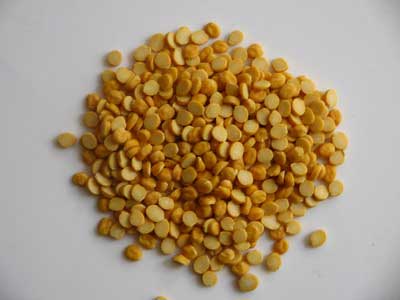
1 tablespoon split chickpeas (channa dal)
1 medium to large size onion, thickly sliced (1/3-1/2 inch thick, about. The reason being, in this gravy you want to enjoy the taste and texture of the onion while eating. You don't want it to disintegrate.)
2 green chiles, sliced lengthwise (decrease or increase depending on your heat tolerance)
10 curry leafs (there is really no substitute for curry leaf; omit it if you don't have it. Most Indian stores will carry at least the dried curry leaf if not fresh)
1/2 teaspoon turmeric powder
salt
Heat oil in a large frying pan. When hot add the channa dal and roast until slightly browned. Add curry leaf, chiles and onion. Saute until the onion JUST becomes slightly translucent (again, don't overcook). Add turmeric powder, mix thoroughly. To this, add your potatoes, and stirfry for a couple minutes, slightly mashing the potatoes (be sure to leave some of the pieces whole). To this add salt, to taste, and then pour in water until potatoes are just covered. Reduce heat to low and allow to simmer for 10-15 minutes, or until desired consistency is reached. (Keep in mind the gravy will thicken as it sits.) Garnish with fresh coriander leaf.
4-5 medium potatoes, peeled and cubed (not too small)
Cover with water and a pinch of salt, bring to a rolling boil on high heat, reduce heat to medium and cook until JUST tender (don't overcook), drain and set aside.
1 tablespoon oil
1 tablespoon split chickpeas (channa dal)
1 medium to large size onion, thickly sliced (1/3-1/2 inch thick, about. The reason being, in this gravy you want to enjoy the taste and texture of the onion while eating. You don't want it to disintegrate.)
2 green chiles, sliced lengthwise (decrease or increase depending on your heat tolerance)
10 curry leafs (there is really no substitute for curry leaf; omit it if you don't have it. Most Indian stores will carry at least the dried curry leaf if not fresh)
1/2 teaspoon turmeric powder
salt
Heat oil in a large frying pan. When hot add the channa dal and roast until slightly browned. Add curry leaf, chiles and onion. Saute until the onion JUST becomes slightly translucent (again, don't overcook). Add turmeric powder, mix thoroughly. To this, add your potatoes, and stirfry for a couple minutes, slightly mashing the potatoes (be sure to leave some of the pieces whole). To this add salt, to taste, and then pour in water until potatoes are just covered. Reduce heat to low and allow to simmer for 10-15 minutes, or until desired consistency is reached. (Keep in mind the gravy will thicken as it sits.) Garnish with fresh coriander leaf.
Cooking Perfect Beans and Chickpeas
After my pressure cooker broke, I have pretty much stopped cooking beans/peas. I just was tired of soaking the beans overnight, boiling them for 2-3 hours the following day and babysitting them to make sure there was sufficient water, etc. And still after all that time some would be undercooked, others overcooked, and often they were not left in tact after the cooking process. Even with my old pressure cooker the beans/peas would be "broken" and tasteless after cooking. Even if you use the beans/peas in an entirely separate dish, they should have a good flavor in and of themselves, right? How to get that wonderful creamy texture while keeping them in tact? How to get the nutty flavor?
At last, I have found the perfect method to cook beans and peas (I mean the dry peas, not green peas, in case you were wondering)! I say perfect because it is so simple and absolutely fool-proof. And joy, the days of soaking are gone.
Supplies: Slow cooker or crock pot.
1. Pick through desired amount of dried beans or peas to remove any rocks, dirt, etc. Keep in mind that once cooked, the beans will increase in size (I would say by 150-200%, roughly, depending on the variety.)
2. Dump in a crock pot (slow cooker) along with 4 times the amount of water. (i.e. The ratio of beans to water should be 1:4; you could probably do less, but I like to stay on the safe side especially considering I am not babysitting this while it's cooking.)
3. At this point you can add some basic seasonings. If I'm making chickpeas for an Indian dish I
will add a few pieces of cinnamon stick, cassia (Indian bay) leaf, salt. If I'm making beans for soup I might add a bay leaf, a few cloves of garlic, roughly chopped onion, various herbs, salt. But doesn't salt make the beans hard as they cook? I heard that too . . . but, at least with this method, it's not true. I think it's absolutely necessary to cook them with salt to get the best flavor.
4. Put the lid on the crock pot, turn to "low" and leave for a good 8-10 hours. (Usually I turn it on before I go to bed. Not sure if this is a safety hazard . . . :-)) At the end, test the beans, I usually will turn it on "high" for 1-2 hours. Again, I think this will vary based on what kind of bean or pea you use. And the joy is . . . I think it's very hard to overcook using this method. Unless of course you leave it on high for 5 hours . . . if I try it I'll let you know.
5. The result -- delicious, perfectly in tact, nutty, creamy, seasoned beans that you can enjoy right out of the crock pot or use to create another mouth-watering dish. With no effort or hovering over the stove!
So glad I found this use for my crock pot! It's gone from being used once a month to once a week, and has happily expanded its life's calling beyond meatballs and velveeta cheese dip.
Try it, let me know how it works.
At last, I have found the perfect method to cook beans and peas (I mean the dry peas, not green peas, in case you were wondering)! I say perfect because it is so simple and absolutely fool-proof. And joy, the days of soaking are gone.
Supplies: Slow cooker or crock pot.
1. Pick through desired amount of dried beans or peas to remove any rocks, dirt, etc. Keep in mind that once cooked, the beans will increase in size (I would say by 150-200%, roughly, depending on the variety.)
2. Dump in a crock pot (slow cooker) along with 4 times the amount of water. (i.e. The ratio of beans to water should be 1:4; you could probably do less, but I like to stay on the safe side especially considering I am not babysitting this while it's cooking.)
3. At this point you can add some basic seasonings. If I'm making chickpeas for an Indian dish I
will add a few pieces of cinnamon stick, cassia (Indian bay) leaf, salt. If I'm making beans for soup I might add a bay leaf, a few cloves of garlic, roughly chopped onion, various herbs, salt. But doesn't salt make the beans hard as they cook? I heard that too . . . but, at least with this method, it's not true. I think it's absolutely necessary to cook them with salt to get the best flavor.
4. Put the lid on the crock pot, turn to "low" and leave for a good 8-10 hours. (Usually I turn it on before I go to bed. Not sure if this is a safety hazard . . . :-)) At the end, test the beans, I usually will turn it on "high" for 1-2 hours. Again, I think this will vary based on what kind of bean or pea you use. And the joy is . . . I think it's very hard to overcook using this method. Unless of course you leave it on high for 5 hours . . . if I try it I'll let you know.
5. The result -- delicious, perfectly in tact, nutty, creamy, seasoned beans that you can enjoy right out of the crock pot or use to create another mouth-watering dish. With no effort or hovering over the stove!
So glad I found this use for my crock pot! It's gone from being used once a month to once a week, and has happily expanded its life's calling beyond meatballs and velveeta cheese dip.
Try it, let me know how it works.
Friday, May 28, 2010
Chicken Curry
I cannot count the number of failed attempts I have had with chicken curry. Finally here is a version which works for me without fail.
2 tablespoons yogurt
2 tablespoons coriander powder
1 teaspoon chili powder
1 teaspoon black pepper
1/2 teaspoon turmeric powder
1 teaspoon salt
4 cloves garlic
1 inch piece of ginger
5 chicken thighs, deskinned and chopped into bite size pieces
In a medium glass bowl, mix together yogurt with spices and salt. Grate the garlic and ginger (or, put in blender with a little water to make a paste), it should come to about 2 tablespoons combined. Add to yogurt mixture. Add the chicken pieces and coat well with the yogurt mixture. Marinate for 3o minutes to 2 hours.
1 tablespoon oil
cilantro
Heat oil in a saute pan. When hot add mustard and cumin seeds, cloves, cardamom and cinnamon stick. When mustard seeds "pop" (30-45 seconds), add ginger-garlic and saute for 30 seconds then add sliced onion and saute until onion is browned (be patient, this takes some time). When onion is cooked add chopped tomato. Continue cooking until tomato is soft and pulpy. Add salt and ground fennel and poppy seeds. Add marinated chicken (along with marinade) and stirfry for 5 minutes. Add 2 cups of water (or, per your taste), bring to boil then reduce heat, cover and simmer for 20 minutes or until chicken cooked all the way through. (If you want the liquid to reduce, simmer uncovered.) Garnish with cilantro leaves.
2 tablespoons yogurt
2 tablespoons coriander powder
1 teaspoon chili powder
1 teaspoon black pepper
1/2 teaspoon turmeric powder
1 teaspoon salt
4 cloves garlic
1 inch piece of ginger
5 chicken thighs, deskinned and chopped into bite size pieces
In a medium glass bowl, mix together yogurt with spices and salt. Grate the garlic and ginger (or, put in blender with a little water to make a paste), it should come to about 2 tablespoons combined. Add to yogurt mixture. Add the chicken pieces and coat well with the yogurt mixture. Marinate for 3o minutes to 2 hours.
1 tablespoon oil
1/4 teaspoon mustard seeds
1/4 teaspoon cumin seeds
4 whole cloves
3 whole cardamom pods
4 pieces cinnamon stick
2 cloves garlic, 1/2 inch ginger grated or blended together
1 1/2 onions (medium), sliced
5 roma tomatoes, chopped
1 teaspoon salt, or to taste
1 teaspoon fennel seeds and 1/2 teaspoon poppy seeds, dry roasted in a saute pan then ground (or you can keep them whole if you prefer)cilantro
Heat oil in a saute pan. When hot add mustard and cumin seeds, cloves, cardamom and cinnamon stick. When mustard seeds "pop" (30-45 seconds), add ginger-garlic and saute for 30 seconds then add sliced onion and saute until onion is browned (be patient, this takes some time). When onion is cooked add chopped tomato. Continue cooking until tomato is soft and pulpy. Add salt and ground fennel and poppy seeds. Add marinated chicken (along with marinade) and stirfry for 5 minutes. Add 2 cups of water (or, per your taste), bring to boil then reduce heat, cover and simmer for 20 minutes or until chicken cooked all the way through. (If you want the liquid to reduce, simmer uncovered.) Garnish with cilantro leaves.
Sambhar
Sambhar
A lentil stew, of sorts, usually eaten over rice with a side of chicken, or served alongside dosa, a South Indian rice-dal crepe. From my cooking lessons with my sister-in-law!

Servings: 2-3 days worth for us. :-) I strongly recommend halving the recipe for those are not sambhar lovers like my husband.
1 tablespoon oil
1/2 teaspoon mustard seeds
1/2 teaspoon cumin seeds
1/2 teaspoon fenugreek seeds
10-15 curry leaves
3 dry red chilis
1/2 onion, finely chopped
1 small tomato, chopped
3 or 4 radishes, thinly sliced
1 cup vegetables -- (i.e. one of, or combination of the following: cubed eggplant, vegetable drumstick, thinly sliced carrots, green beans)
4 cups water
1 scant cup toor dal (split yellow peas)
2 cups water
3 cloves garlic
1/4 teaspoon turmeric
1 inch piece of tamarind pulp, soaked in warm water
1 teaspoon chili powder
1 tablespoon sambar powder (Dahlia's recipe is perfect!)
Salt
1/4 cup chopped cilantro leaves
Heat oil in a pot. When hot, add all mustard, cumin and fenugreek seeds, curry leaves, red chilis. When mustard seeds begin to "pop" add the chopped onion and saute until onion is translucent. Add tomato and saute until softened. Add vegetables, saute for a minute then add 4 cups of water. Gently boil the vegetables for 15-20 minutes, or until softened.
Meanwhile, in a pressure cooker combine toor dal, water, turmeric and garlic. Cook for 3 whistles, turn off heat and wait for the pressure to naturally release. Set aside
Mash the softened tamarind pulp in the soaking water. Pour through a filter and into the pot of vegetables. Stir in chili powder, sambar powder, and salt. Simmer for a few minutes.
By now the pressure will have released from the toor dal. Open the cooker, pour the contents into the vegetable mixture. Simmer, adding water and salt as necessary. Stir in cilantro leaves.
Serve with idli, dosa, white rice.
A lentil stew, of sorts, usually eaten over rice with a side of chicken, or served alongside dosa, a South Indian rice-dal crepe. From my cooking lessons with my sister-in-law!

Sambhar, idli and coconut chutney
Servings: 2-3 days worth for us. :-) I strongly recommend halving the recipe for those are not sambhar lovers like my husband.
1 tablespoon oil
1/2 teaspoon mustard seeds
1/2 teaspoon cumin seeds
1/2 teaspoon fenugreek seeds
10-15 curry leaves
3 dry red chilis
1/2 onion, finely chopped
1 small tomato, chopped
3 or 4 radishes, thinly sliced
1 cup vegetables -- (i.e. one of, or combination of the following: cubed eggplant, vegetable drumstick, thinly sliced carrots, green beans)
4 cups water
1 scant cup toor dal (split yellow peas)
2 cups water
3 cloves garlic
1/4 teaspoon turmeric
1 inch piece of tamarind pulp, soaked in warm water
1 teaspoon chili powder
1 tablespoon sambar powder (Dahlia's recipe is perfect!)
Salt
1/4 cup chopped cilantro leaves
Heat oil in a pot. When hot, add all mustard, cumin and fenugreek seeds, curry leaves, red chilis. When mustard seeds begin to "pop" add the chopped onion and saute until onion is translucent. Add tomato and saute until softened. Add vegetables, saute for a minute then add 4 cups of water. Gently boil the vegetables for 15-20 minutes, or until softened.
Meanwhile, in a pressure cooker combine toor dal, water, turmeric and garlic. Cook for 3 whistles, turn off heat and wait for the pressure to naturally release. Set aside
Mash the softened tamarind pulp in the soaking water. Pour through a filter and into the pot of vegetables. Stir in chili powder, sambar powder, and salt. Simmer for a few minutes.
By now the pressure will have released from the toor dal. Open the cooker, pour the contents into the vegetable mixture. Simmer, adding water and salt as necessary. Stir in cilantro leaves.
Serve with idli, dosa, white rice.
Thursday, April 29, 2010
Mango Cheesecake
Crust
2 cups graham cracker crumbs (or any vanilla biscuit/cookie crumbs)
2 Tablespoons sugar
6 Tablespoons butter, melted
Preheat oven to 375 degrees. Mix together graham cracker, sugar and butter and press into the bottom of a 10" springform (cheesecake) pan. Bake for 5-7 minutes. Cool.
Filling
3 (8 oz) packages cream cheese, room temperature
1/4 cup sugar (can increase, per your taste)
5 eggs*
2 cups mango puree**
3 teaspoons lemon juice
Oven temperature: 300 degrees. Using a hand mixer, beat cream cheese until smooth. Mix in sugar. Beat in the eggs, one at a time, until combined. Mix in mango puree and lemon juice. Pour into crust.
I used a water bath method to cook it.*** (This prevents cracking.) Place the pan in 1 or 2 layers of aluminum foil, then place in a large roasting pan. Pour in enough cold water to go 3/4 the way up the side of the cheesecake pan. Bake for 90 minutes. (The cheesecake should be firm, but still "jiggle".) Turn the oven off and let the cheescake sit in the oven at least 30 minutes. Refrigerate for 8 hours, or overnight. Before serving, run a knife around the edges of the pan to loosen it, then unclip the clasp and remove the outer ring of the springform pan. Garnish with mango slices and/or mango puree.
*Next time I would try decreasing the amount of eggs to 3 or 4
**The canned mango puree from the Asian stores is presweetened
***I suppose if you are in a hurry and don't mind possible cracking (easy enough to cover the cracks with a sauce, fruits or whipped cream), you can increase the oven temp to 325, skip the water bath and bake for about 1 hour, cool and refrigerate.
2 cups graham cracker crumbs (or any vanilla biscuit/cookie crumbs)
2 Tablespoons sugar
6 Tablespoons butter, melted
Preheat oven to 375 degrees. Mix together graham cracker, sugar and butter and press into the bottom of a 10" springform (cheesecake) pan. Bake for 5-7 minutes. Cool.
Filling
3 (8 oz) packages cream cheese, room temperature
1/4 cup sugar (can increase, per your taste)
5 eggs*
2 cups mango puree**
3 teaspoons lemon juice
Oven temperature: 300 degrees. Using a hand mixer, beat cream cheese until smooth. Mix in sugar. Beat in the eggs, one at a time, until combined. Mix in mango puree and lemon juice. Pour into crust.
I used a water bath method to cook it.*** (This prevents cracking.) Place the pan in 1 or 2 layers of aluminum foil, then place in a large roasting pan. Pour in enough cold water to go 3/4 the way up the side of the cheesecake pan. Bake for 90 minutes. (The cheesecake should be firm, but still "jiggle".) Turn the oven off and let the cheescake sit in the oven at least 30 minutes. Refrigerate for 8 hours, or overnight. Before serving, run a knife around the edges of the pan to loosen it, then unclip the clasp and remove the outer ring of the springform pan. Garnish with mango slices and/or mango puree.
*Next time I would try decreasing the amount of eggs to 3 or 4
**The canned mango puree from the Asian stores is presweetened
***I suppose if you are in a hurry and don't mind possible cracking (easy enough to cover the cracks with a sauce, fruits or whipped cream), you can increase the oven temp to 325, skip the water bath and bake for about 1 hour, cool and refrigerate.
Subscribe to:
Posts (Atom)